Over the past decade, the retail landscape has undergone a structural shift, with self-checkouts evolving to core infrastructure across supermarkets, convenience formats, DIY chains and garden centres. This transformation is reshaping more than operational efficiency; it is also redefining one of retail’s most valuable micro-markets: the impulse zone. Traditional checkout lanes, with their feed belts and queues, have long served as a highly productive environment for last-minute purchases. Now that self-service and fast transactions are becoming the norm for many shops, retailers need to rethink where, when and how impulse decisions are made.
SELF-CHECKOUT ADOPTION
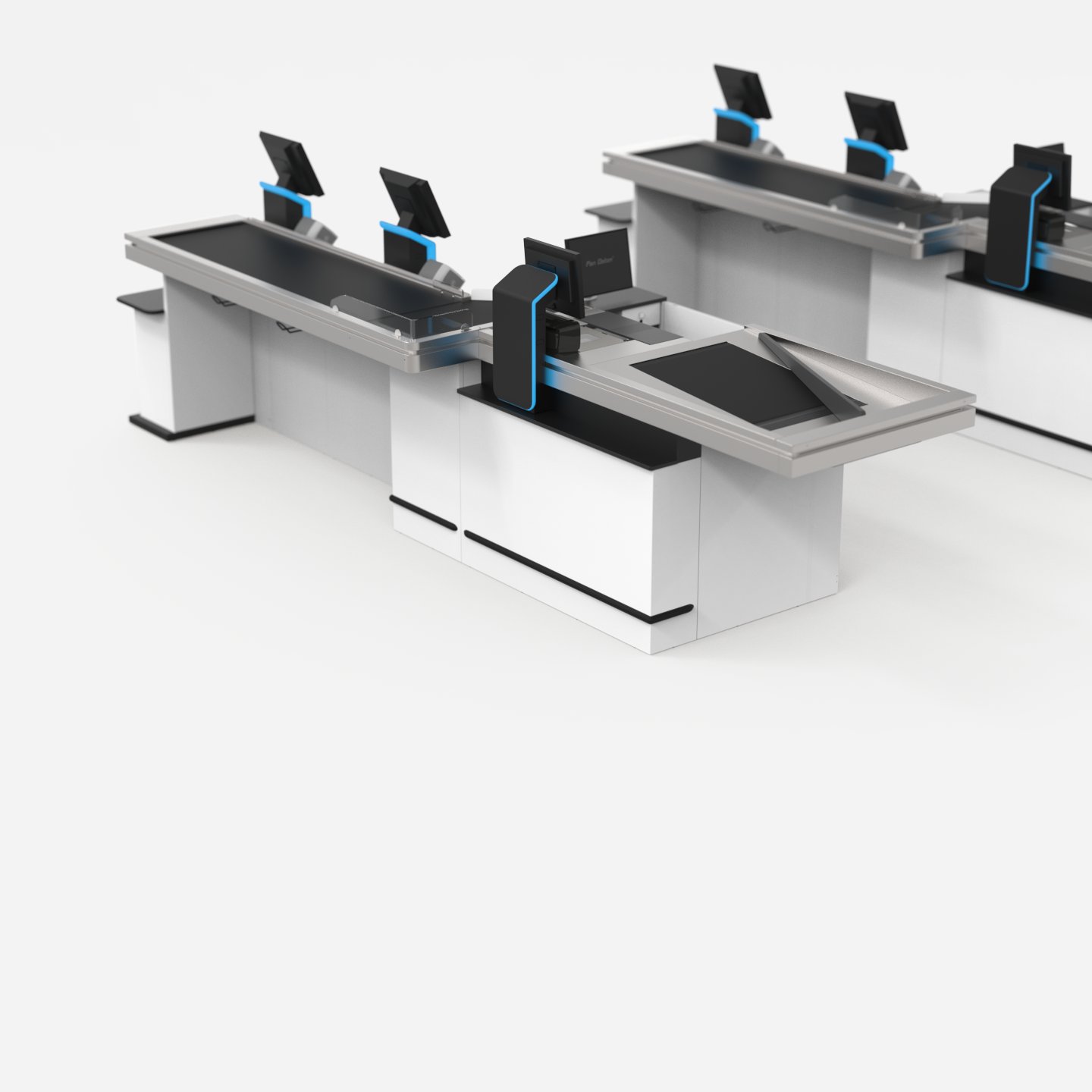
Self-checkout adoption has accelerated steadily across Europe. Installations have more than doubled over the past decade, with particularly high penetration in the UK, the Nordics and the Benelux markets. In many large-format grocery stores, self-checkout now accounts for a significant share of transactions.
This shift has a clear behavioural impact. Smaller baskets are increasingly processed via self-service, as shoppers prioritise speed and convenience. That efficiency comes at a cost: the traditional checkout moment, once characterised by waiting and browsing, is becoming shorter and more task-driven. Is there still time to make an impulse purchase?
IMPULSE SALES: STILL VALUABLE, BUT RELOCATED
Impulse purchases remain a key factor in retail performance. It is estimated that impulse items still account for between 6% and 10% of turnover. This is despite the fact that the checkout area typically makes up only 1% of the shop floor space. As such, impulse sales still generate one of the highest turnover figures per square metre of floor space in the retail sector. Customer demand has not diminished, but self-checkouts are fundamentally changing the conditions that drive impulse purchases.
Time is money, especially when it comes to impulse buying. On average, customers spend around 167 seconds at a traditional checkout. With self-checkouts, this is considerably shorter, with an average transaction time of 125 seconds. As a result, up to 40 seconds of potential waiting time are lost. It is precisely these missing seconds that form the core of impulse-buying potential.
Attention is the second factor. Almost immediately, the customer’s focus shifts almost entirely to the task at hand. In practice, it appears that customers at self-checkouts are more concentrated and may even feel a slight sense of time pressure, leaving little scope to look around spontaneously and consider impulse purchases.
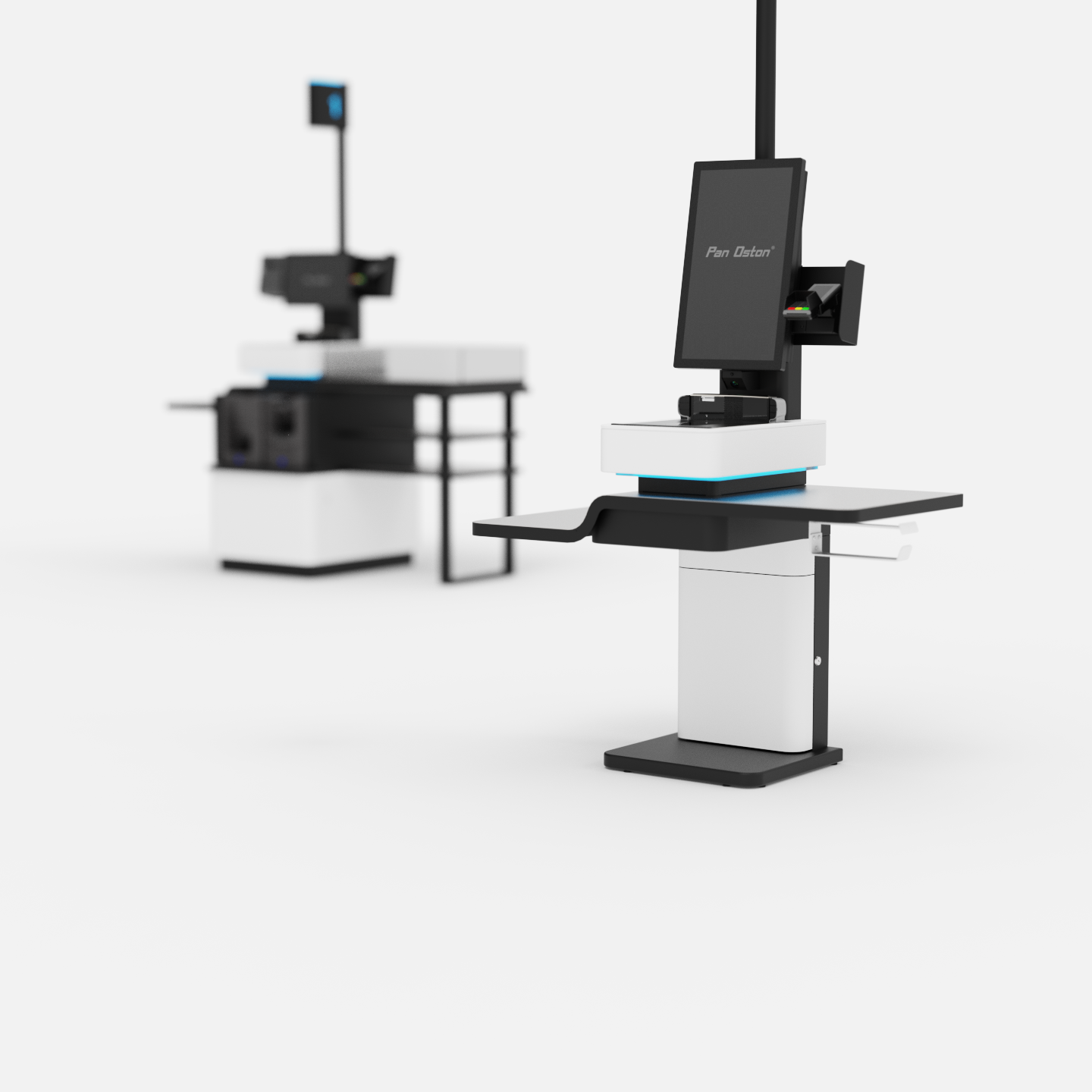
Space is the third element. Self-checkouts are highly efficient when it comes to point-of-sale per m² floorspace, but generally offer less linear sales space and are visually dominated by screens, scanners and packing areas. As a result, traditional impulse shopping loses out in terms of space and effectiveness.
Taken together, all of this means that impulse purchases, as we know them in an SCO zone, no longer work as effectively, as passive exposure whilst waiting is minimised. The result? Retailers need to look for new ways to encourage impulse purchases.
A NEW PERSPECTIVE ON IMPULSE BUYING
Self-checkout environments demand a more deliberate approach to physical impulse merchandising. The key is to shift from linear exposure to targeted touchpoints within the customer journey.
The customer’s attention must be captured before the scanning process begins. As soon as customers start self-scanning, their focus on impulse purchases decreases significantly. This makes the entrance to the self-checkout area a crucial activation point as a sales zone within the retail sector.
It may therefore be advisable to relocate impulse modules to:
·The entry point of the self-checkout area
Even compact impulse displays can yield meaningful results. Test environments indicate that well-placed impulse modules can achieve a utilisation rate of around two per cent, which demonstrates that sales opportunities remain intact when visibility is ensured. It is important to adopt a placement strategy. Long displays near a queue no longer work; instead, eye-catching, smaller modules should be placed along the natural customer flow path for maximum exposure. Categories that perform well, such as confectionery, snacks, batteries and ready-to-drink beverages, are ideal for impulse and grab-and-go purchases as they offer immediate convenience. A critical principle emerges: shoppers do not change checkout type for impulse purchases. If the product is not directly in their path, it is unlikely to be considered.
DIGITAL IMPULSE: THE NEW POINT OF INFLUENCE
As physical exposure becomes more limited, digital interaction takes on a central role. The self-checkout screen has evolved into a new platform for impulse purchases. Unlike fixed shelves, digital suggestions can dynamically respond to the customer’s shopping basket, preferences and wishes. This is particularly true of the SAYS screen, where digital suggestions can be displayed at exactly the right moment in the customer journey.
Retailers across Europe are testing on-screen suggestions that include add-on products, cross-sell recommendations and time-based offers. Case examples from Tesco and Carrefour show that these prompts can increase basket value, provided they are relevant and unobtrusive. Experts estimate that, under favourable conditions, digital impulse purchases can increase the value of the shopping basket by between three and ten per cent. Their effectiveness depends heavily on timing, simplicity and contextual relevance. The strength of digital lies in its flexibility. Offers can be adapted in real time, tested continuously and aligned with broader promotional strategies. This marks a shift from static merchandising to adaptive engagement.
MATCHING THE SELF-SERVICE MINDSET
Customers who use self-checkouts behave differently from those who pay at a traditional checkout. The purchasing process is more controlled, more focused and often quicker. Impulse strategies must be tailored to this mindset. The products and offers that perform best are easy to understand and require minimal decision-making effort. They fit logically with the customer’s mission and can be added without interrupting the flow.
Relevance is more important than visibility. A well-timed suggestion that ties in with the contents of the shopping basket is more effective than a generic offer that has to compete for attention. This makes it possible to offer the customer something they need, but didn’t yet realise they needed. Take, for example, someone who has the ingredients for a stew but no meat in their shopping basket. By immediately offering this customer a suggestion for meat, the likelihood of them making an extra ‘impulse purchase’ is increased.
INTEGRATED AND ADAPTIVE IMPULSE STRATEGIES
Impulse retail in Europe is moving towards a hybrid model that blends physical merchandising and digital intelligence.
Future developments are expected to focus on:
The traditional checkout line is no longer the single stage for impulse retail. Instead, impulse is distributed across multiple touchpoints within a connected ecosystem.
A BALANCED CHALLENGE FOR RETAILERS
Self-checkouts have not diminished the importance of impulse purchases; they have, however, changed the way in which they occur. The familiar feed-belt model is giving way to a balanced combination of targeted physical placement and smart digital interaction. Retailers who rise to the challenge and adapt to this new reality can maintain and even increase their revenue from impulse purchases. Those who continue to rely on traditional merchandising at the checkout run the risk of disappearing from view at a crucial moment in the customer journey. Any self-checkout without a well-thought-out impulse strategy means missed opportunities.
Sources:
RBR Data Service
Nielsen IQ
dunnhumby
EHI Retail Institute
Shoppercentric
Tesco PLC
Carrefour Group
LOOKING TO SUCCESSFULLY INTEGRATE IMPULSE SOLUTIONS AND SELF-SERVICE?
Our specialists in self-checkouts are on hand to help you successfully make impulse solutions an integral part of the self-checkout area in your shop. Why not get in touch with us and find out how we can help you provide your customers with a fantastic user experience while including effective impulse solutions.
.jpg)
.jpg)