Inclusive Self Checkout: Turning EAA Compliance into a Competitive Advantage for Retail
The European Accessibility Act (EAA), which has come into force on 28 June 2025, is often framed as a compliance challenge. For retailers to take that view would be a huge missed opportunity. In reality, the EAA represents a powerful lever to improve customer experience, future-proof store concepts and unlock a large, underserved segment of the market.
The EAA builds on the United Nations Convention on the Rights of Persons with Disabilities and introduces harmonised European requirements for accessibility in products and services, including ICT systems, under EN 301 549. Technically, self-checkouts are not categorised in the same way as ticketing or payment terminals, however the directive clearly functions as a design guideline for modern self-service environments. Retailers who embrace this proactively will lead the market, not follow it.
ACCESSIBILITY AS A MARKET STRATEGY
More than one in four European adults lives with a disability of some description. This represents a potential target group of around 90 million people. Importantly, this is not a niche audience. Many customers face multiple or situational limitations, such as limited reach, reduced vision, hearing impairment, cognitive overload, or difficulty distinguishing colours. These challenges increase with age, but can also apply temporarily, to parents with children, shoppers with injuries or customers navigating busy stores, for example.
When accessibility is ignored, retailers unintentionally exclude customers. When it is addressed well, stores become easier and more attractive for all customers, resulting in higher throughput, reduced staff interventions and stronger customer loyalty.
SELF-CHECKOUT: WHERE INCLUSION MEETS EFFICIENCY
Self-checkout systems sit at the intersection of technology, hardware and customer behaviour. Inclusive design applied in this area has immediate operational benefits.
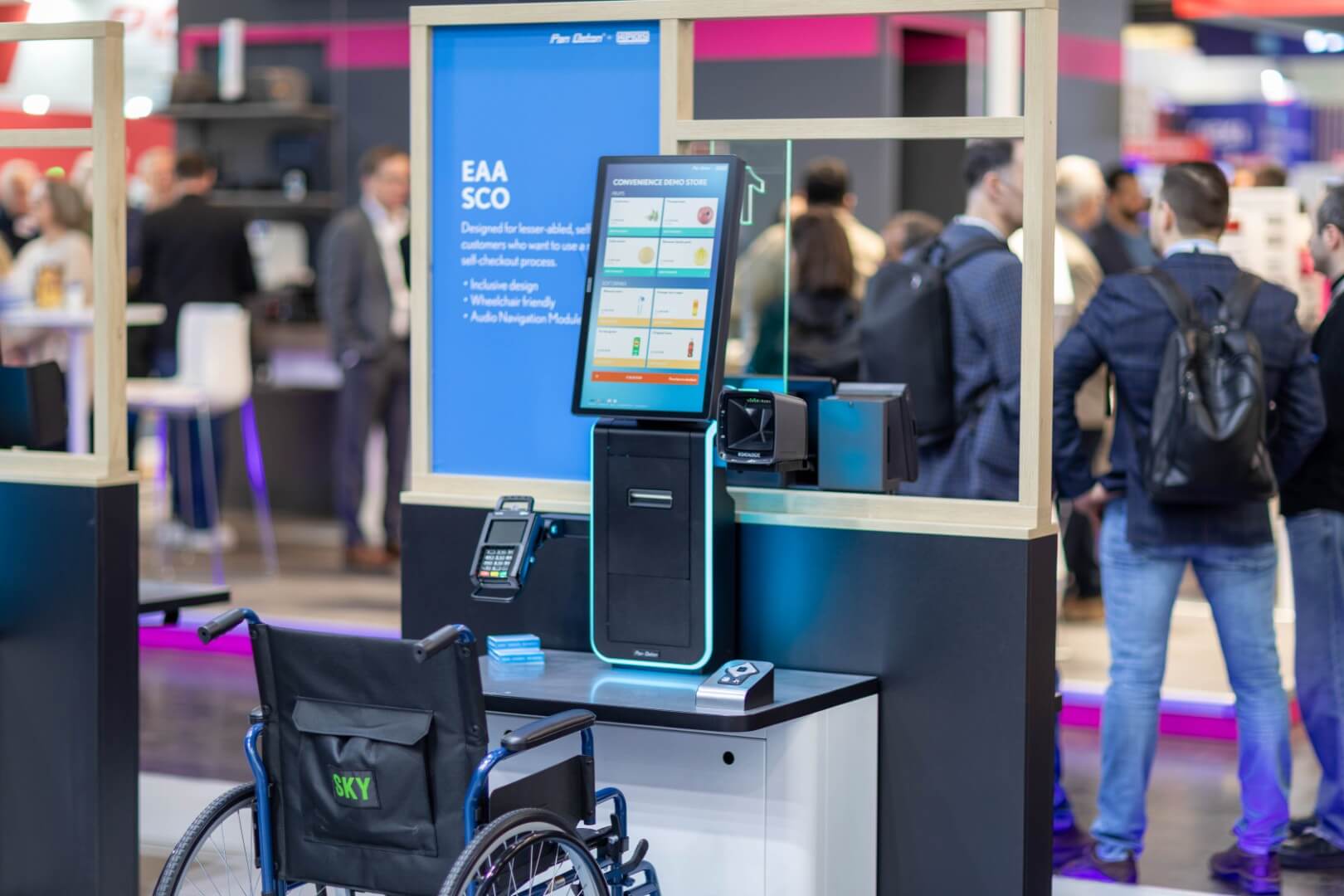
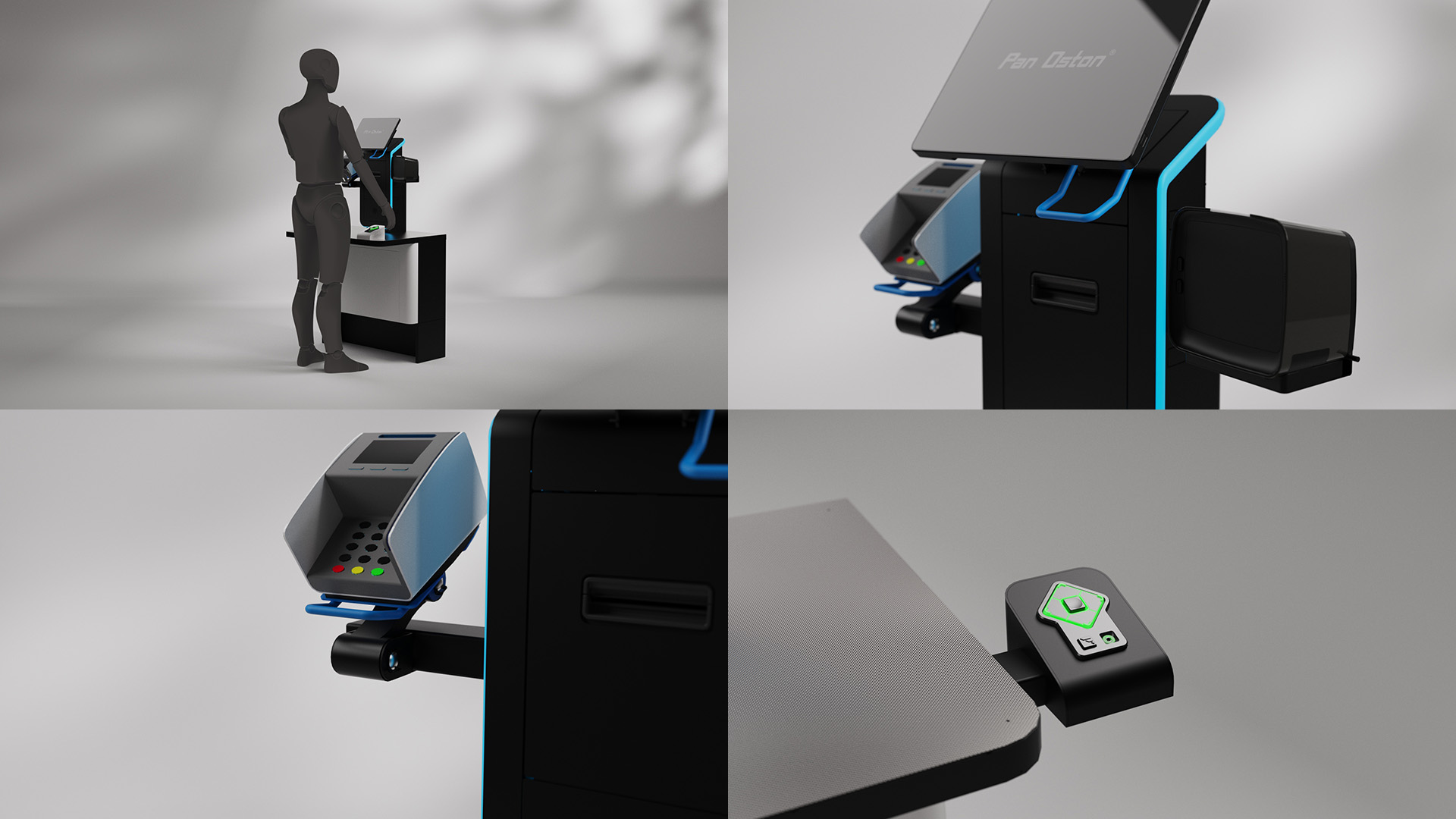
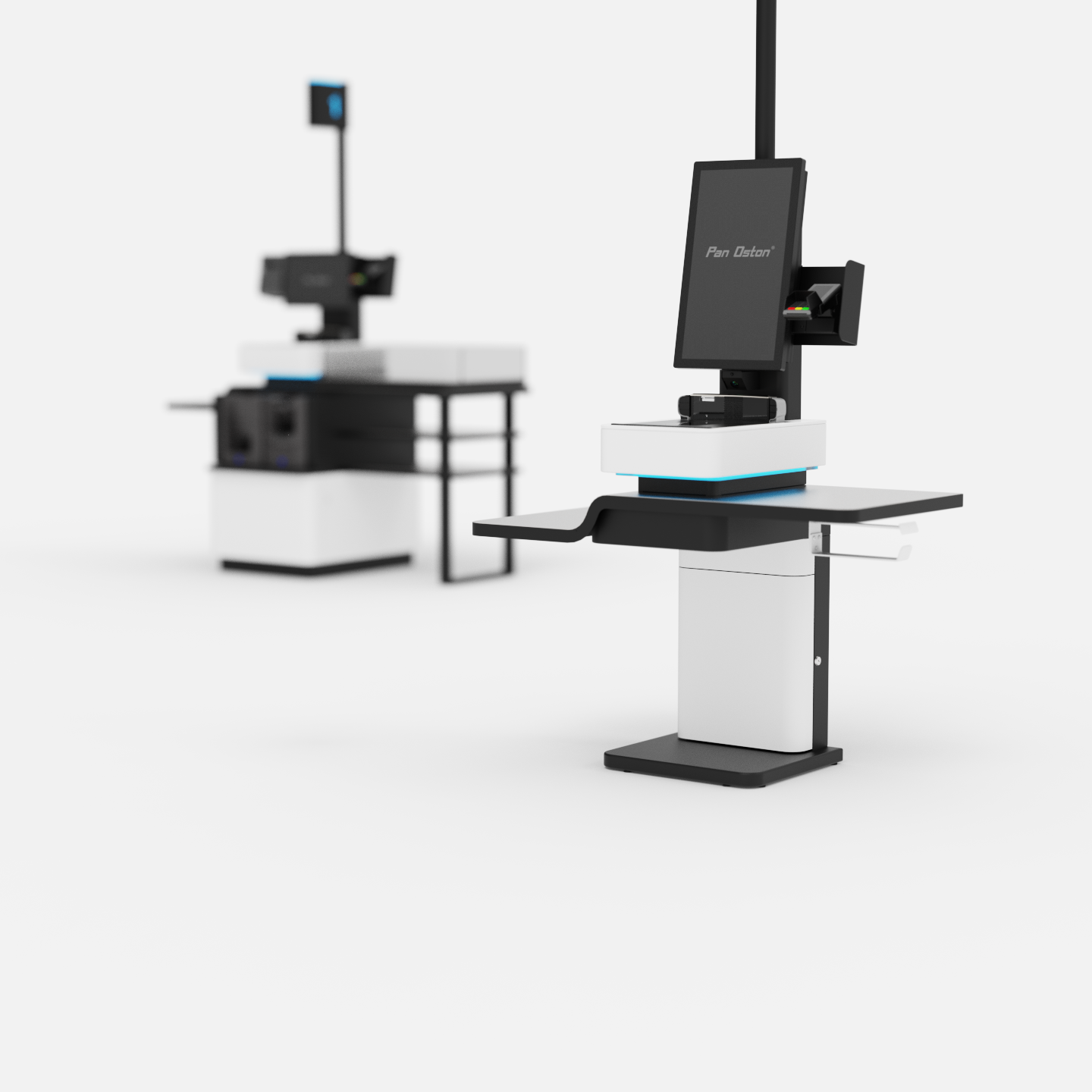
Hardware design plays a crucial role. Adequate knee and foot clearance, optimal screen height, forward reach instead of sideways reach and properly positioned scanners and printers allow customers in wheelchairs or with limited mobility to use self-checkouts independently. Retractable or well-placed payment terminals ensure that transactions can be completed seamlessly without drawing unnecessary attention to adaptive features.
Sensory accessibility is of equal importance. Audio navigation —via speakers or hearing‑aid connections—combined with tactile hardware elements such as keypads support customers with limited vision. At the same time, excessive use of Braille or complex controls should be avoided; clarity and restraint are of key importance.
SOFTWARE LEADS THE EXPERIENCE
If hardware enables access, software defines confidence. Interfaces designed for accessibility simplify communication, reduce instruction overload and remove friction from the checkout journey. Buttons cannot rely on colour alone; text, contrast and clear feedback are essential. Status signals, such as LED lights, should work intuitively for all users—clear, consistent and unambiguous.
For customers with limited cognitive, language or learning abilities, simplicity is not a luxury—it is a requirement. Clear process flows, and minimal distraction will result in faster transactions and fewer errors, benefitting both customers and store staff.
COLLABORATION IS KEY
True EAA readiness cannot be achieved in silos. It requires close collaboration between retailers, hardware manufacturers and software providers, all working within a harmonised framework like EN 301 549. When accessibility is treated as an integral element of the design process —instead of a later addition—it becomes almost invisible, yet highly effective.
FROM OBLIGATION TO DIFFERENTIATION
Retailers that treat EAA compliance as a checkbox will meet the minimum. Those that view it as an opportunity will redefine the in-store experience. Inclusive self-checkout design does not single customers out—it invites everyone in.
By acting now, retailers turn regulation into relevance, compliance into confidence, and accessibility into a lasting competitive advantage.
.jpg)

.jpg)