With the festive season fast approaching, retailers are preparing for some of the busiest weeks of the year. Footfall rises, as do basket sizes, and staffing schedules come under maximum pressure, while customer expectations remain as high as ever. Busy trading periods have a way of exposing every weakness in a checkout operation. Queues grow quickly, transaction times stretch and any bottlenecks can become very costly.
The ability to handle peak demand efficiently depends on more than simply adding checkout capacity. A well-designed checkout zone is a strategic combination of layout, technology, staffing and customer flow management. Based on research, industry developments and retail best practices across food and non-food sectors, five factors can be identified that consistently determine whether a checkout area can absorb peak demand efficiently, while maintaining a positive customer experience.
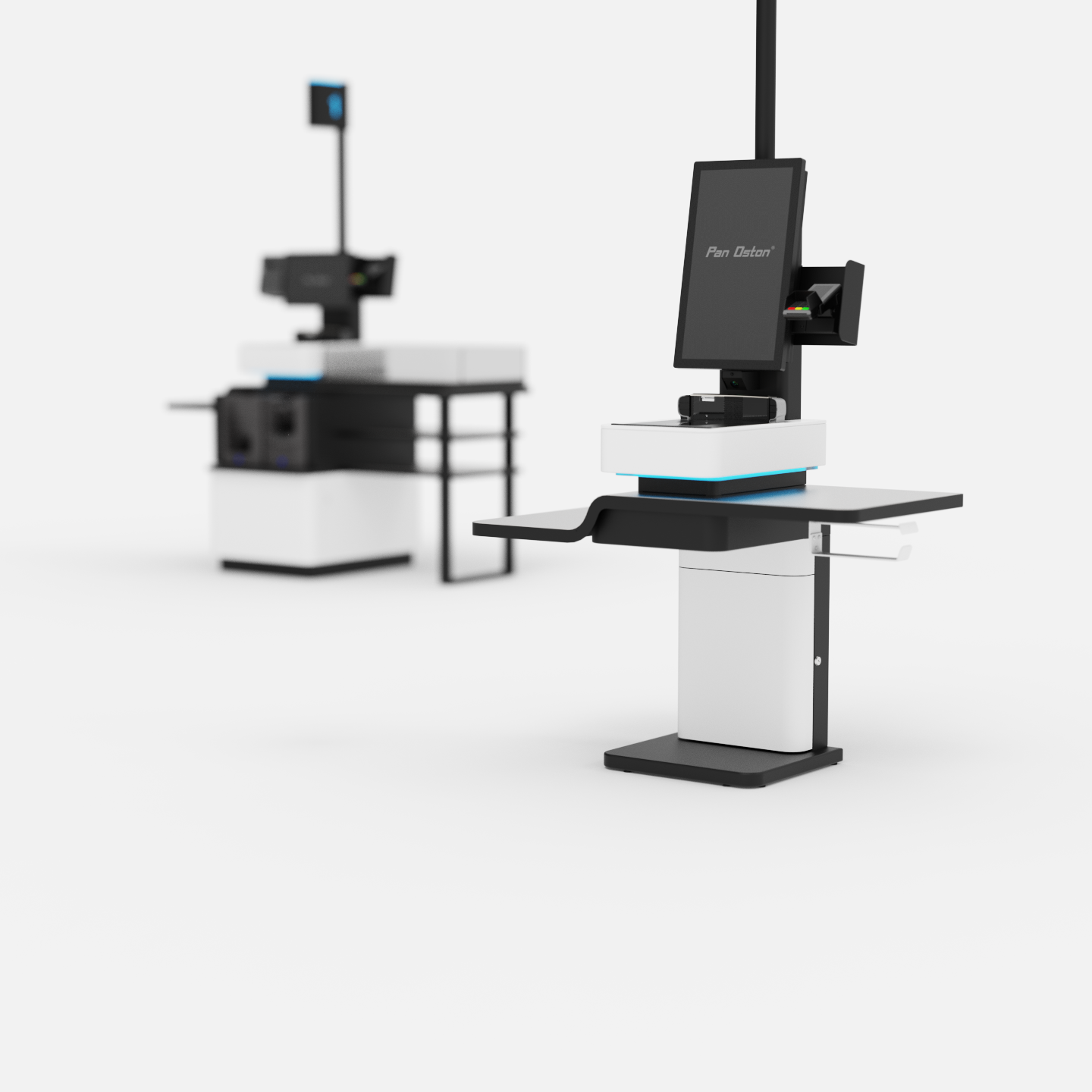
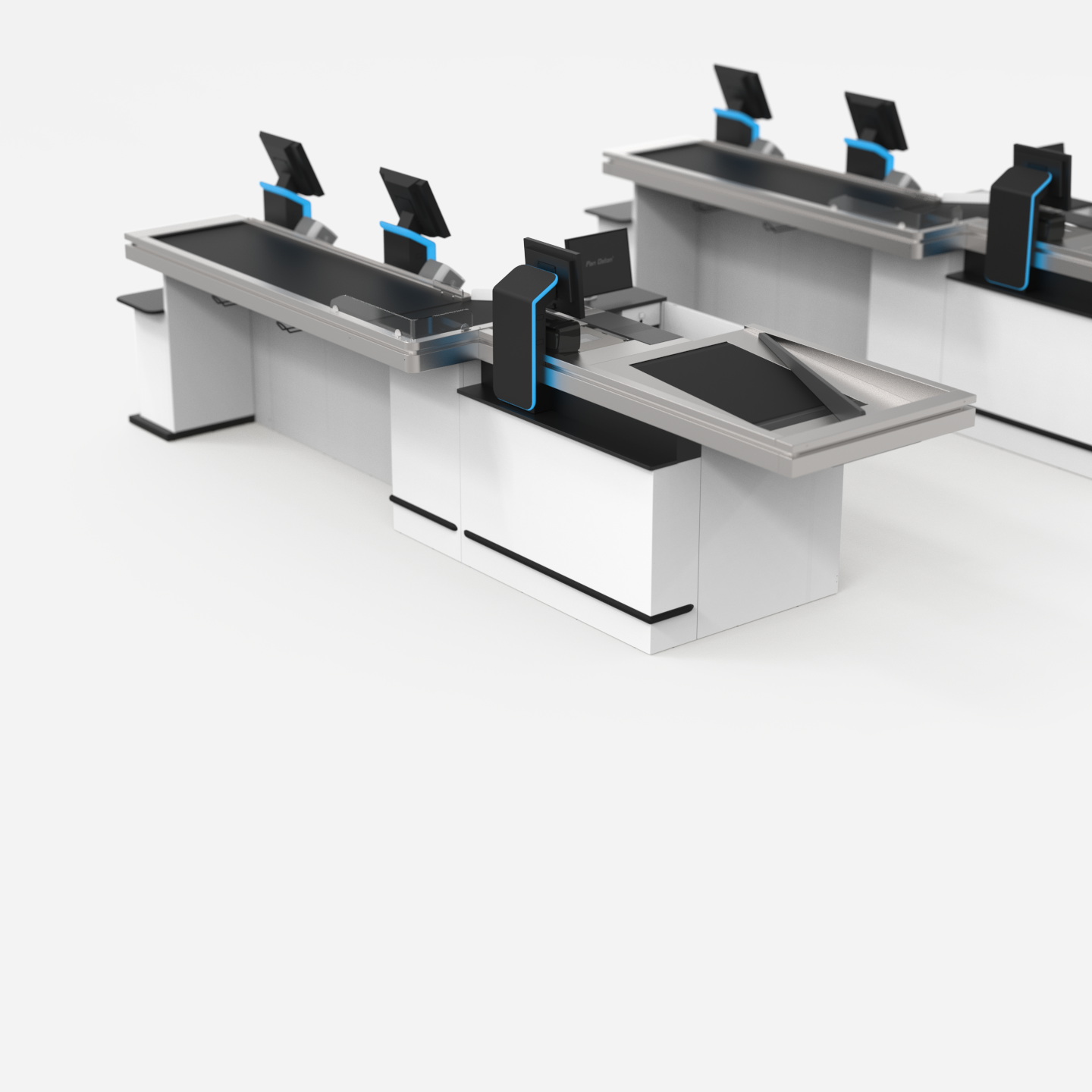
There is no universal formula for retailers to strike the ideal balance between traditional checkouts and self-checkouts. The optimum mix depends on many factors, like store type, location, customer volume and demographics, shopping missions, footfall patterns and average basket size.
A city-centre convenience store predominantly frequented by basket shoppers requires a very different checkout strategy than a supermarket in a residential area serving mainly large trolley-based purchases. Customers buying only a few items have come to expect a fast self-service option as a matter of course, while larger transactions often still benefit from traditional assisted checkouts.
The continued growth of self-checkout reflects changing consumer behaviour. Research from the EHI Retail Institute shows rapid adoption across retail sectors, while ECR Retail Loss reports that self-checkout now accounts for an average of 54% of transactions in stores where it is available.
The key is flexibility. Checkout zones should be designed so that capacity can be adjusted quickly as demand varies throughout the day, week or season.
Many checkout challenges originate long before a customer reaches a payment terminal. The physical layout of the checkout zone has a direct impact on throughput and customer satisfaction.
Customers should immediately understand where to queue, which checkout options are available and how to access them. Clear sightlines, intuitive navigation and adequate circulation space reduce hesitation and congestion.
Digital signage can play an important role in guiding customers through the checkout area. Real-time queue information, directional messaging and indicators showing available checkout positions help customers make faster decisions and distribute themselves more evenly across traditional and self-service lanes. During peak periods, digital signage can also be used to direct shoppers towards less busy areas and communicate temporary changes in checkout availability. Beyond customer guidance, digital signage can act as a valuable operational tool for staff, alerting them to developing bottlenecks, communicating availability changes and helping steer customers towards the most efficient route through the checkout zone.
Queue management deserves particular attention. A single queue feeding multiple self-checkouts often creates greater efficiency than multiple individual queues. Equally important is sufficient space for customers with trolleys, baskets, mobility aids or family groups.
When demand peaks, even small improvements in customer flow at checkout can have a substantial impact on waiting times and overall store productivity.
Technology delivers the greatest value when it reflects the preferences and capabilities of the local customer base.
Digital payments continue to gain ground across Europe. The European Central Bank reports ongoing growth in electronic and contactless payments, while consumer research shows digital payment usage increasing steadily across the eurozone. At the same time, a meaningful proportion of customers still require support or prefer traditional payment methods. Not every customer will immediately embrace self-service. Store demographics, digital literacy and local payment habits all influence adoption rates.
Checkout environments that offer customers a choice are the most likely to be successful. Customers will select the checkout method that best fits their shopping mission and preferences, creating a smoother experience for everyone.
Peak efficiency does not necessarily require more employees. It requires smarter deployment.
Modern checkout zones enable staff to oversee several self-checkouts while remaining available for age verification, payment assistance and customer support. This approach allows retailers to maintain service levels without placing an employee behind every transaction point.
Staff can also be redeployed dynamically as demand changes. During quieter periods they may support replenishment, click-and-collect operations or customer service activities. During peak periods they can focus on keeping transactions moving and resolving issues before queues develop.
The result is a more productive use of labour and a better experience for shoppers.
Speed is important, but so is maintaining oversight.
Research from ECR Retail Loss shows that self-checkout environments require careful attention to shrink management, particularly as usage increases. Successful retailers combine technology, design and human supervision to minimise losses while preserving a frictionless customer journey. Checkout zones should provide clear visibility across the entire self-service area. Staff must be able to monitor activity easily, while technologies such as intelligent alerts, exit control systems, scan verification and integrated monitoring tools can provide additional support.
When loss prevention measures are incorporated into the design from the outset, retailers avoid creating barriers that negatively affect customer experience.
Busy trading periods, not least the festive season, provide a powerful reminder that checkout performance is critical to retail success. Retailers who combine the right checkout mix, intelligent layout, customer-focused technology, flexible staffing and effective oversight create checkout zones that remain efficient even under peak pressure. A well-designed checkout area is not simply a place where transactions happen. It is a key driver of operational efficiency, customer satisfaction and long-term profitability.
Our specialists would be happy to help you create a checkout area that can cope with peak times. Curious to find out where your opportunities lie? Get in touch for a no-obligation consultation and discover how you can reduce queues and improve the customer experience.
.jpg)
.jpg)