Self-service has a long and shared history in both retail and hospitality. From the first self-service supermarkets in 1918, to self-checkout in the 1990s and self-ordering kiosks in the early 2000s, both sectors have continuously redefined how customers discover, select, pay for and receive products. What is changing today is not the destination of the journey, but the degree to which retail and hospitality are learning from each other along the way.
At a fundamental level, customers in both environments follow the same journey: discover, decide, transact and receive or exit. The difference lies in emphasis. Retail traditionally optimises around item handling, loss prevention and exit flow, while hospitality focuses more on ordering experience, personalisation and service perception. As self-service adoption accelerates, these distinctions are increasingly blurring—and that creates powerful opportunities for cross-industry innovation.
RETAIL LEARNING FROM HOSPITALITY: EXPERIENCE FIRST
Hospitality and QSR operators have long understood that speed alone does not define success. The ordering moment is designed to be intuitive, visually engaging and confidence‑building. Menus are simplified, choices are guided, and upselling is embedded naturally into the ordering flow. Retail self-service environments can learn from this by shifting focus from purely functional checkout to so-called ‘staged journeys’: clear navigation, gentle and supportive guidance, and digital touchpoints that help customers feel in control rather than supervised.
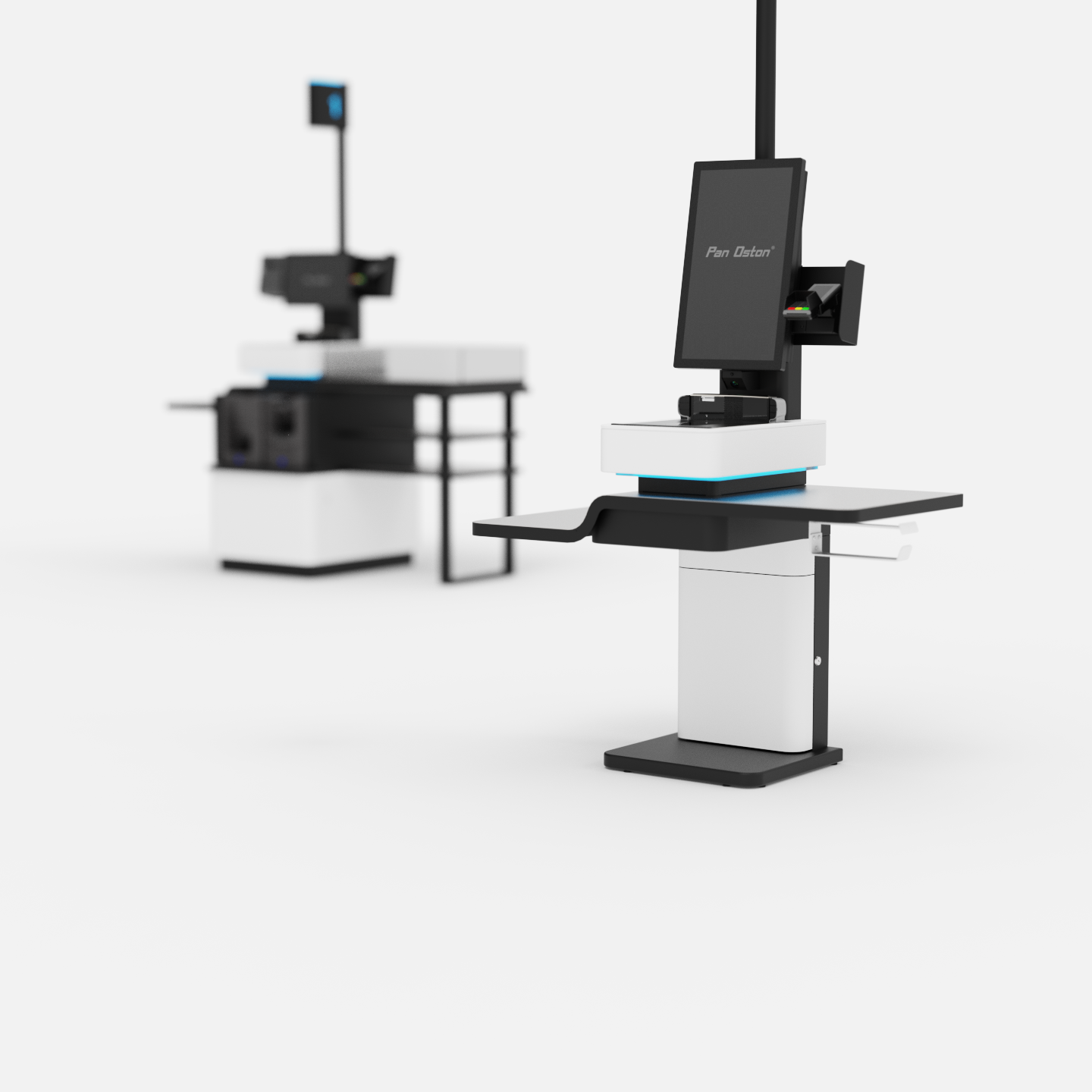
Self-order terminals in hospitality also demonstrate how trust in technology can be built through design. When terminal design is ergonomically well-thought-out, interfaces are human, instructions are contextual and intervention is the exception, customers will happily complete transactions independently. Retail SCO systems that adopt similar principles—sound hardware ergonomics, clear feedback, visible support options and calm exception handling—can significantly reduce friction at the last meter, where queues and uncertainty often undermine the experience.
HOSPITALITY LEARNING FROM RETAIL: SCALE, FLOW AND RESILIENCE
Retail, on the other hand, has mastered self-service at scale. Managing hundreds of daily transactions requires robust exception handling, smart hybrid zones and continuous optimisation of exit flow. For hospitality operators facing labour shortages and peak-time pressure, these retail lessons are increasingly relevant.
Concepts like exit compression, intervention minimisation and hybrid service zones translate well to hospitality settings, from hotel markets and staff restaurants to QSR pickup areas. Retail’s experience with shrink management, camera-assisted verification and consistent multi-platform journeys also offers valuable insights for hospitality operators expanding beyond the counter into unattended or semi-attended formats.
THE FUTURE: DESIGNING JOURNEYS, NOT TECHNOLOGY
As retail stores offer coffee corners and fresh meals, and hospitality venues sell packaged goods, meal kits and grab‑and‑go products, the line between sectors continues to fade. Customers no longer think in categories, they expect seamless journeys across physical and digital touchpoints, whether they are buying groceries, ordering lunch or grabbing a midnight snack in a hotel lobby.
The key lesson for both industries is clear: don’t stage the technology, stage the journey. Successful self-service innovation starts with understanding customer intent, operational reality and the moments where trust is earned or lost. When retail and hospitality actively share insights and approaches, self-service stops being a cost-saving tool and becomes a genuine driver of experience, efficiency and growth.
CONTACT OUR SPECIALISTS
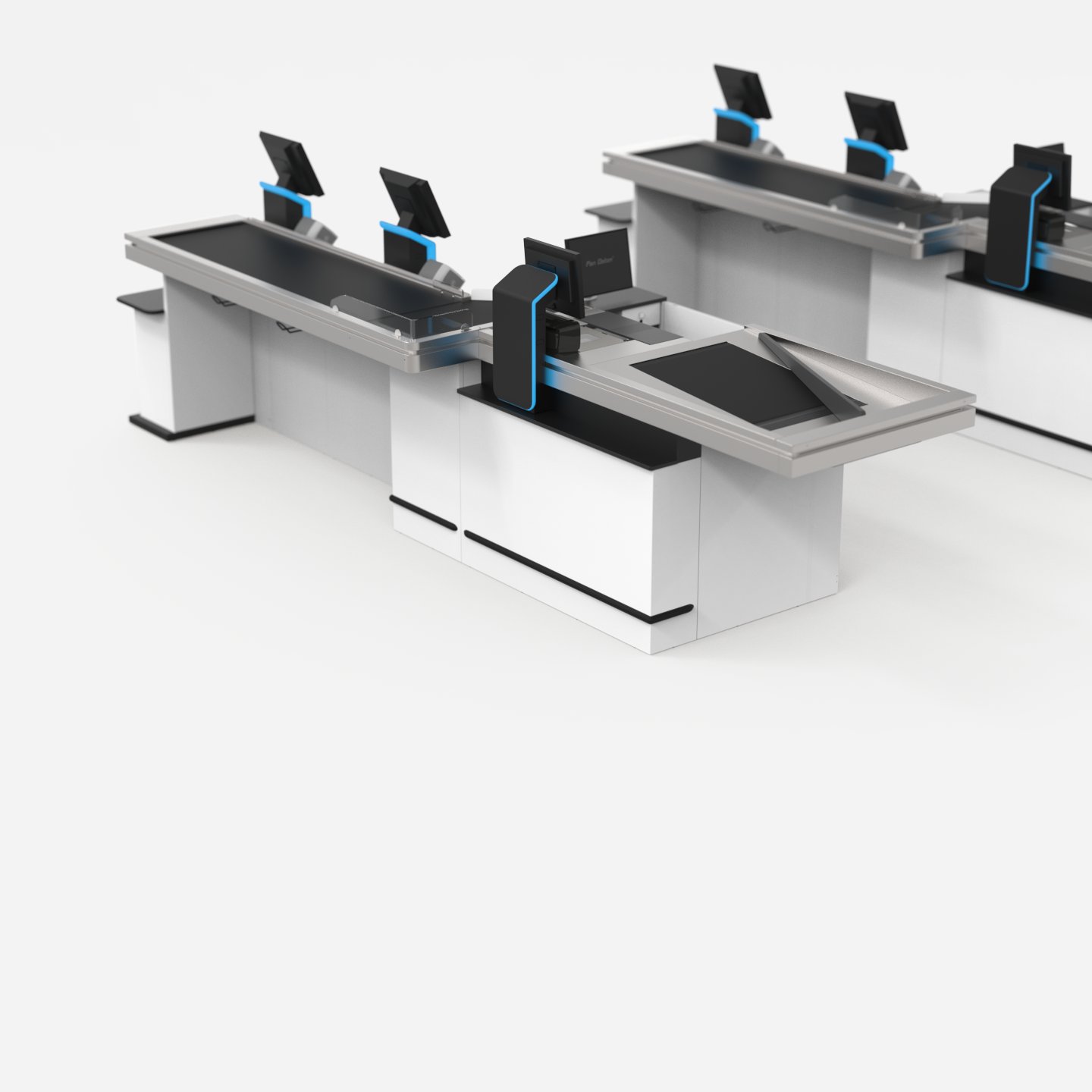
Our specialists in self-checkouts and self-order terminals are on hand to help you successfully implement self-service solutions, whether in the hospitality or retail sector. Get in touch and find out how we can help you provide your customers with a fantastic user experience using our self-service solutions.
.jpg)
.jpg)