Few areas of the retail space have undergone as much innovation in recent years as the point of transaction, the checkout zone. Across Europe, retailers are redesigning the way customers shop, pay and interact with stores, driven by advances in self-checkout, mobile technologies, artificial intelligence and increasingly connected retail platforms. The checkout has become more than just the endpoint of the shopping journey; it has become an integral element of the overall customer experience and a strategic component of store operations.
Over the past five years, we have seen self-checkout adoption expanding rapidly across European retail. A closer look at the patterns behind that growth reveals significant differences between countries, sectors and store formats, while also providing clues about where retail technology is heading next.
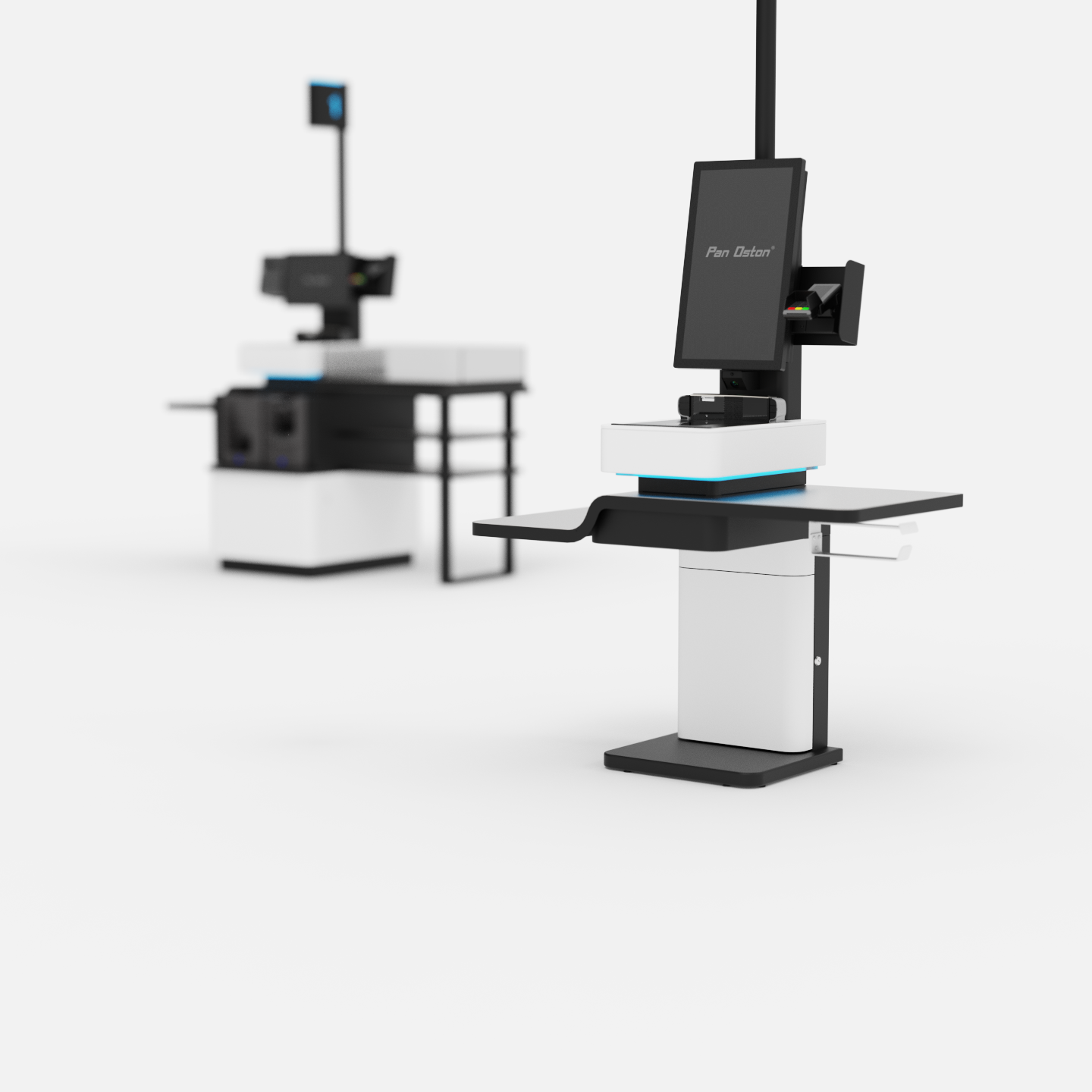
The strongest growth has been visible in grocery retail. According to the EHI Retail Institute, the number of German stores offering stationary self-checkout more than doubled between 2023 and 2025, growing by 143% to more than 10,000 stores. More than 38,000 self-checkout terminals are now operational in Germany alone, with grocery retail accounting for around 60% of all installations. Chemists represent 21% and DIY retail approximately 8% of the installed base.
The broader European market shows similar momentum. Research by RBR Data Services indicates that 2023 was a record year for self-checkout deployment globally, with European growth supported by large-scale rollouts and replacement programmes among major grocery retailers. Meanwhile, the ECR Retail Loss research programme reports that in stores where self-checkout is available, 54% of transactions now pass through self-service lanes.
These figures highlight the shift in consumer behaviour. In many retail environments selfcheckout has become the go-to checkout method for customers, as opposed to being viewed as an alternative channel.
The United Kingdom and the Nordic countries were among Europe's earliest adopters. High labour costs, a strong culture of convenience, a high consumer acceptance of digital technologies and widespread card payment usage created favourable conditions for self-service solutions.
Germany, traditionally more cautious, has experienced rapid growth in recent years. Labour shortages, the rising cost of labour and increasing customer familiarity with digital shopping experiences have accelerated adoption. The EHI Retail Institute identifies staffing challenges as one of the key drivers behind the recent expansion.
Southern European markets generally show slower adoption rates. The use of cash remains relatively high in some countries, while store formats are often smaller, and personal service and interaction are still central to the shopping experience. Even so, many retailers are now evaluating self-checkout and mobile self-scanning as part of their long-term store modernisation strategies.
Supermarkets remain the clear leaders in self-checkout deployment. Frequent customer visits, relatively standardised products and the need to process large transaction volumes make grocery retail particularly suitable for self-service.
Chemists have emerged as another strong category. Product ranges are generally compact, baskets are relatively small and customers appreciate fast in-and-out shopping trips. In Germany, more than 40% of chemists already offer self-checkout facilities.
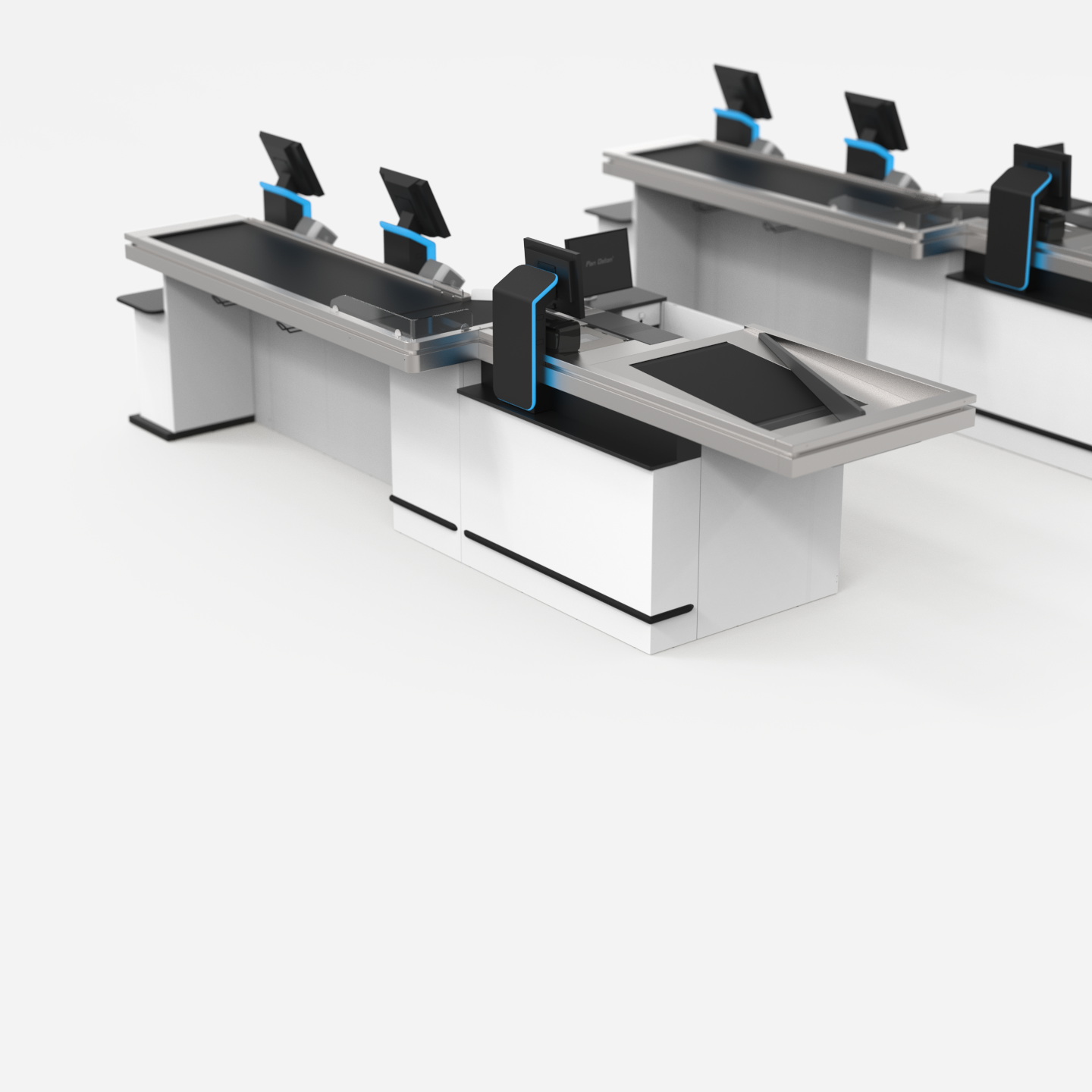
DIY stores and garden centres have traditionally lagged behind due to larger baskets, bulky products and greater need for specialist assistance. Yet recent advances in barcode recognition, mobile scanning and hybrid service models are making self-checkout increasingly viable in these sectors. Many retailers now combine assisted self-checkout with traditional staffed checkouts to provide flexibility while maintaining customer support.
Fashion, electronics and specialty retailers are also expanding self-service options, particularly in urban locations where speed and convenience are highly valued.
Store characteristics strongly influence self-checkout performance.
Large supermarkets and hypermarkets achieve the greatest operational gains, allowing retailers to process high customer volumes with fewer fixed checkout positions. Smaller convenience stores often benefit from compact self-service solutions that maximise selling space.
Urban locations typically see faster adoption than rural stores. Customers in city centres tend to be more familiar with digital technologies, their basket sizes are usually smaller and they often prioritise speed. Tourist destinations and transport hubs also benefit from self-service due to fluctuating visitor volumes and multilingual customer bases.
Demographics remain important, although age differences are becoming less pronounced. Younger consumers are generally the earliest adopters, but acceptance among older shoppers continues to grow as interfaces become simpler and more intuitive.
The next stage of development is shifting from hardware deployment to intelligence and integration.
Artificial intelligence is improving product recognition, reducing intervention rates and helping retailers address shrinkage. Mobile self-scanning, smart shopping carts and integrated loyalty solutions are creating frictionless journeys that connect directly with POS platforms and customer engagement tools.
Challenges remain. Retailers continue to address loss prevention, customer support requirements and the need for seamless integration into existing store infrastructures. Success depends on balancing convenience with control.
In order to achieve the greatest returns, retailers should view self-checkout not as a cost-reduction exercise, but as part of a broader strategy to improve customer experience and operational efficiency.
Self-checkout has moved firmly into the mainstream across European retail. Adoption rates differ between countries, sectors and store formats, yet the trend remains consistent: customers increasingly expect self-service as part of their shopping journey. The further maturing of technologies like AI, mobile scanning and fully connected platforms will enable self-checkout to continue evolving from a checkout solution into a key element of the intelligent, fully connected retail store.
Our self-checkout experts are on hand to help you introduce self-checkout and optimise your checkout area. Simply get in touch to find out how we can help you offer your customers a fantastic shopping experience and optimise customer flow.
.jpg)
.jpg)