For large supermarket retailers, every investment decision is measured against a single question: Will it improve profitability?
Traditionally, discussions about sustainability have focused on environmental impact. While reducing waste and lowering carbon emissions remain important, the business case has become equally compelling. Today, sustainable design directly influences Return on Investment (ROI) and Total Cost of Ownership (TCO).
At Pan Oston + 4POS, we believe that sustainable design is not about adding complexity. It is about designing retail technology that lasts longer, adapts faster, requires fewer resources, and delivers measurable value throughout its entire lifecycle.
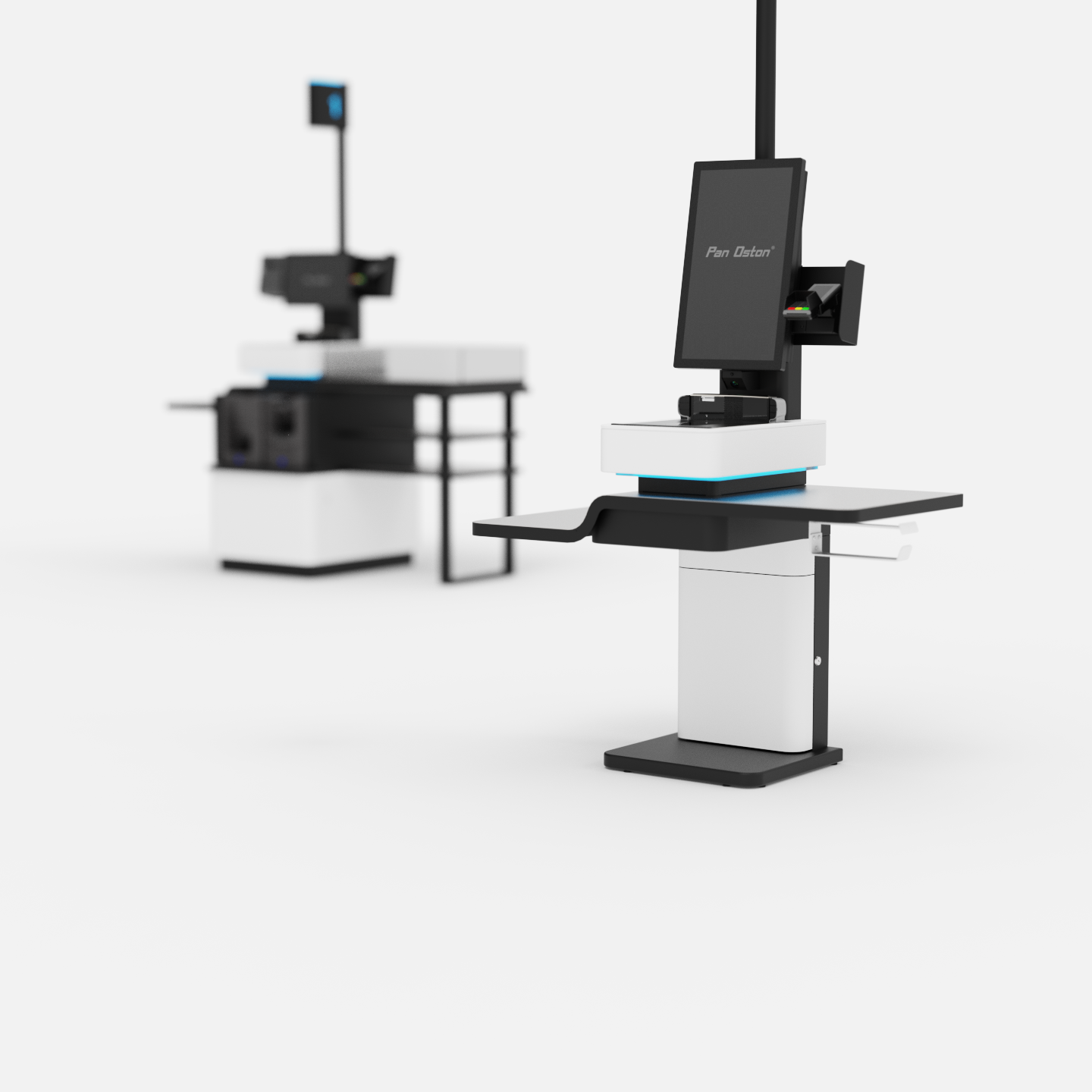
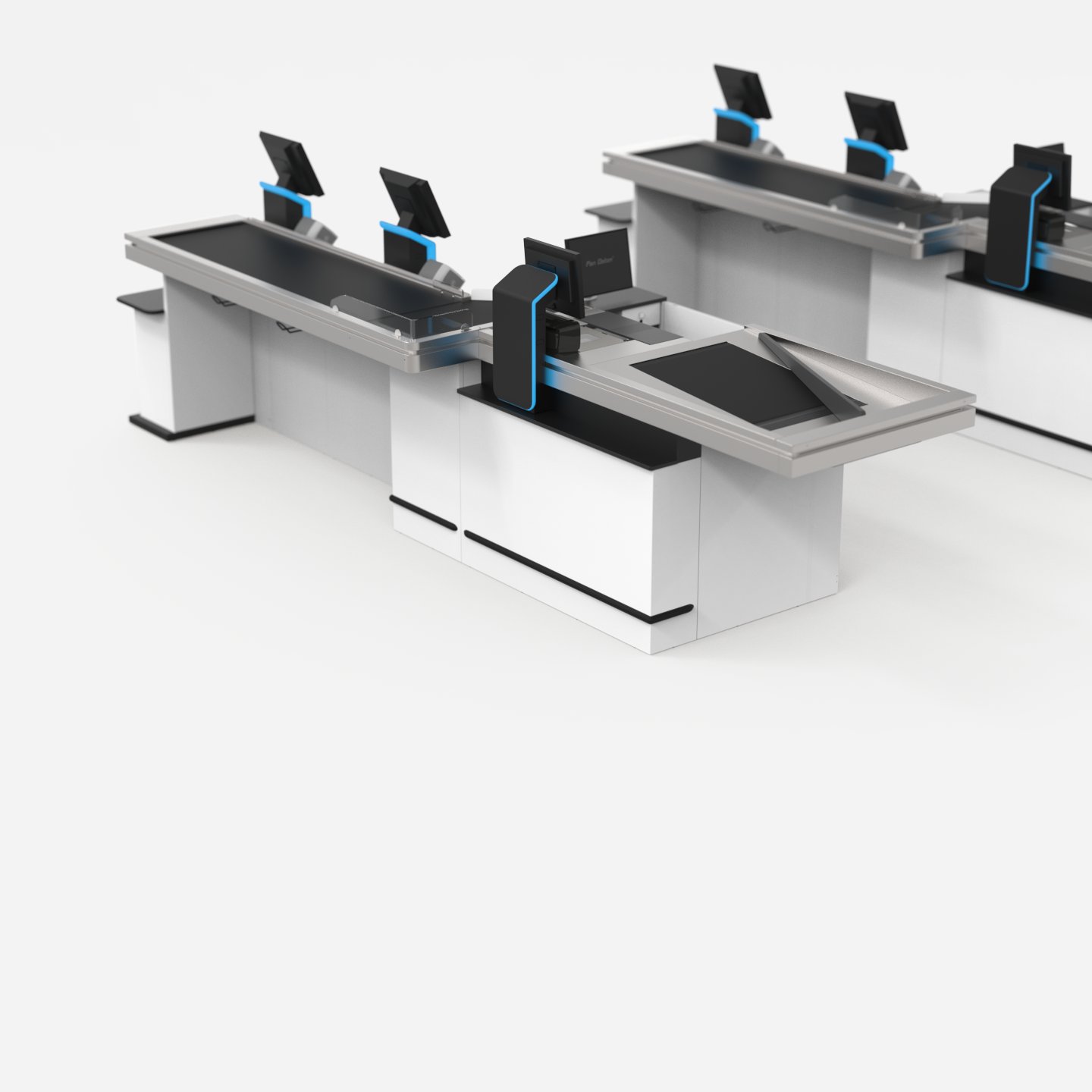
This philosophy is embedded in solutions such as EVOLVE and PRIME, where modularity, longevity, and adaptability are engineered in from the very beginning.
When evaluating retail hardware at scale, the initial acquisition cost is only a fraction of the total investment.
A checkout solution deployed across hundreds or even thousands of stores represents years of operational costs. These include maintenance and repairs, hardware and software upgrades, store renovations, logistics and replacement parts, installation and deployment costs, downtime and productivity losses. The true financial impact lies in the total lifecycle cost of the implemented solution.
Retailers that focus solely on purchase price often face higher operational expenses later. Sustainable design shifts the conversation from "What does it cost today?" to "What will it cost over the next ten years?"
Retail environments are constantly evolving. Customer behaviour changes. Payment technologies advance. Store formats are redesigned. New regulations emerge. Traditional fixtures often struggle to keep up, resulting in complete replacements when only a small change is actually required.
EVOLVE was developed around a different philosophy. Instead of creating fixed retail furniture with a limited lifespan, EVOLVE uses a modular approach that enables retailers to adapt and reconfigure installations over time. This brings multiple financial advantages:
1. Longer Asset Lifecycles
When requirements change, retailers can upgrade selected components rather than replacing entire units. A longer useful life means lower capital expenditure over time, a better return on existing investments and a reduction of the replacement cycles required. Every additional year of service improves the return generated from the original investment.
2. Lower Upgrade Costs
Retail technology evolves at a rapid pace. New payment devices, scanners, displays, and peripherals are introduced regularly. A modular checkout architecture allows retailers to integrate new technologies, while maintaining the core structure. Instead of purchasing entirely new checkout furniture, only the relevant modules are updated. The result is a significant reduction in upgrade costs across large-scale deployments.
3. Reduced Operational Disruption
Replacing complete checkout environments often requires extensive planning, installation, and downtime. Modular systems minimise disruption by enabling targeted modifications that are faster to implement, limit installation costs and maintain overall store productivity. For high-volume supermarket operations, minimising downtime can have a substantial impact on revenue protection.
One of the greatest challenges for retailers with regard to POS-systems is balancing overall standardisation with flexibility at a local level. Retail organisations often operate hundreds or thousands of stores with different layouts, customer flows, and operational requirements.
PRIME was designed to address this challenge. The platform provides a consistent design framework while supporting multiple checkout and self-service configurations. This creates financial benefits across the entire retail organisation.
1. Simplified Procurement
Standardised platforms reduce complexity within purchasing processes. Retailers benefit from fewer product variations, higher purchasing volumes, simplified supplier management and improved forecasting. Purchasing at scale becomes more effective when retailers can standardise on a common platform.
2. Lower Inventory Requirements
Managing replacement parts for multiple checkout systems can become costly and inefficient. A standardised platform reduces the variety of components required throughout the network. This leads to lower spare-part inventories, reduced storage costs and faster service response times.
3. Faster Deployment
Consistency enables more efficient rollouts. Store installation teams quickly become familiar with installation processes, reducing deployment complexity and shortening project timelines. For retailers planning large-scale transformations, deployment speed directly contributes to a faster realisation of ROI.
Sustainable design is often associated with environmentally friendly materials, but material efficiency can also produce tangible financial benefits. By carefully engineering structures, reducing unnecessary material use, and optimising manufacturing processes, sustainable design helps create products that are durable, lightweight where possible, easier to transport and to install. All this results in a reduction in hidden costs throughout the supply chain. When multiplied across hundreds of stores, even modest efficiencies can generate substantial savings.
The pace of change in retail continues to accelerate. Retailers face growing uncertainty around developments like omnichannel integration, shrink reduction initiatives, self-checkout expansion, new payment technologies and the progress of AI-driven retail experiences. Investments made today that cannot adapt to future requirements are likely to become liabilities.
Sustainable design provides the flexibility needed to absorb future changes without requiring complete replacement. This approach reduces risk while protecting long-term capital investments. For large retailers, future-proofing is no longer a luxury. It is a requirement for maintaining competitive advantage.
At Pan Oston and 4POS, we view sustainability through a practical business lens. A sustainable solution should not only reduce environmental impact. It should also help retailers achieve their business objectives, such as improving ROI, lowering the Total Cost of Ownership, extending asset lifecycles, increasing scalability and making their business more adaptable to future changes.
The principles behind EVOLVE and PRIME reflect this philosophy. By combining modularity, standardisation, and long-term adaptability, retailers can maximise the value of every investment while preparing for the next generation of retail innovation.
For large supermarket retailers, sustainable design is no longer a "nice-to-have" initiative. It is a strategic lever for improving financial performance.
The most successful retail investments are those that continue creating value long after installation. Solutions designed for longevity, modularity, and adaptability deliver lower lifecycle costs, reduced operational disruption, and stronger returns over time.
That is the essence of sustainable design at Pan Oston + 4POS: creating retail environments that evolve with your business, protect your investment, and help every euro work harder for years to come.
Our specialists would be happy to discuss your challenges, ambitions and investment objectives with you. Contact us today and we’ll work with you to explore how modular, future-proof solutions such as EVOLVE and PRIME can help you reduce the total cost of ownership, extend the lifespan of your assets and improve long-term returns.
.jpg)
.jpg)